

Coastal Management Training
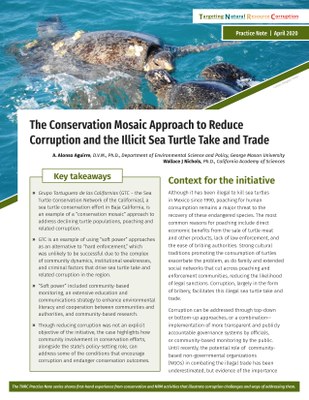
The Conservation Mosaic Approach to Reduce Corruption and the Illicit Sea Turtle Take and Trade
Although it has been illegal to kill sea turtles in Mexico since 1990, poaching for human consumption remains a major threat to the recovery of these endangered species. The most common reasons for poaching include direct economic benefits from the…
Office of Forestry and Biodiversity: Assessment of Biodiversity Integration Efforts
The Office of Forestry and Biodiversity (FAB) engaged Measuring Impact II to assess efforts to implement the USAID Biodiversity Policy’s goal to “integrate biodiversity as an essential component of human development.” The assessment investigated three modalities by which FAB, other…
Advancing Reforms to Promote Sustainable Management of Ghana’s Small Pelagic Fisheries
Ghana is facing a crisis of sustainability in its small pelagic fisheries that threatens the food security and livelihoods of a large segment of the population. While the technical solutions to the problems in these fisheries have been known for…
Gender-based violence and environment linkages: The violence of inequality
Rooted in discriminatory gender norms and laws and shrouded in impunity, gender-based violence (GBV) occurs in all societies as a means of control, subjugation and exploitation that further reinforces gender inequality. This publication establishes that these patterns of gender-based abuse…
Food Security Reference Sheet
Ecosystems provide goods and services that support food production—including provision of wild foods and water, pest control and pollination—and biodiversity programming can have significant positive impacts on food security. Similarly, agriculture programming can sustainably increase productivity and incomes while minimizing…
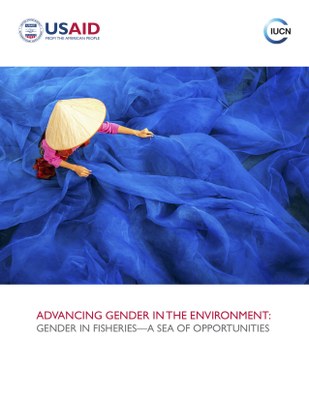
Advancing Gender in the Environment: Gender in Fisheries—A Sea of Opportunities
Produced by USAID’s Office of Gender Equality and Women’s Empowerment (GenDev), USAID’s Office of Forestry and Biodiversity (FAB), and the International Union for Conservation of Nature (IUCN), the guide provides an overview of the unique roles and contributions women make…
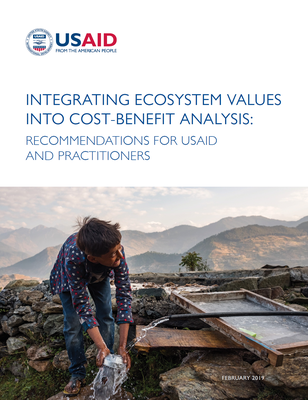
Integrating Ecosystem Values into Cost-Benefit Analysis: Recommendations for USAID and Practitioners
This document provides recommendations for the incorporation of ecosystem service valuations into Agency cost-benefit analysis (CBA) across sectors, both for USAID staff that produce or use CBAs and for USAID as an institution. In addition, this document provides specific guidance…

Virtual Fisheries Academy
Environmental Defense Fund’s Virtual Fisheries Academy is an online learning center with free, interactive e-courses on fishery management topics. Current courses cover three topics: Introduction to Fisheries Management, Territorial Use Rights for Fishing, and Data-Limited Fisheries Management. The Virtual Fisheries…
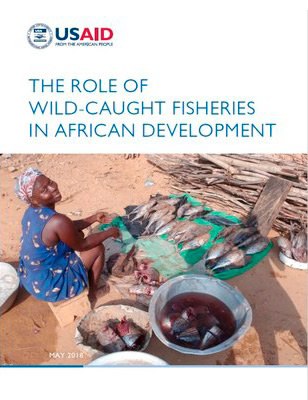
The Role of Wild-Caught Fisheries in African Development
This report on the role of wild-caught fisheries in African development focuses on small-scale fisheries in East and West Africa. The report describes the role of wild-caught fisheries in food security, resilience and nutrition and presents opportunities and recommendations for…
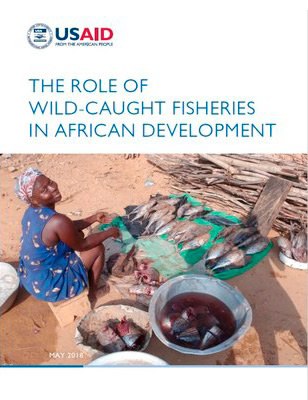
The Role of Wild-Caught Fisheries in African Development
This report on the role of wild-caught fisheries in African development focuses on small-scale fisheries in East and West Africa. The report describes the role of wild-caught fisheries in food security, resilience and nutrition and presents opportunities and recommendations for…
Solving the Mystery of Marine Protected Area Performance: Monitoring social impacts
Solving the Mystery of Marine Protected Area Performance: Monitoring Social Impacts (Field Manual)
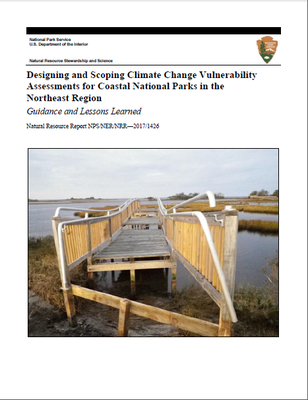
Designing and Scoping Climate Change Vulnerability Assessments for Coastal National Parks in the Northeast Region Guidance and Lessons Learned
To plan for climate change adaptation, park resource managers need scientific information identifying the susceptibility of resources to climate change, when impacts are expected and how they are expected to interact with existing stressors. Climate change vulnerability assessments are a…
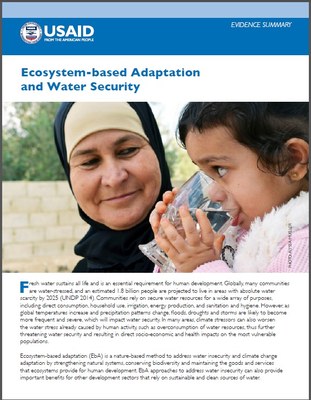
Evidence Summary: Ecosystem-based Adaptation and Water Security
This evidence summary highlights ecosystem-based adaptation (EbA) approaches that can help people and communities address water insecurity by increasing water quantity, enhancing water quality and minimizing impacts from extreme weather events. It also discusses the additional development benefits that EbA…
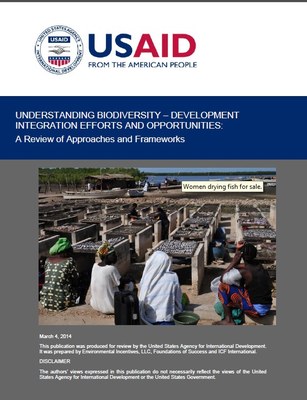
Understanding Biodiversity – Development Integration Efforts and Opportunities
This report presents the results of a broad review to understand how other agencies and organizations have defined and integrated biodiversity with other sectors. The purpose of this review was to highlight some ways that various actors have approached integration…
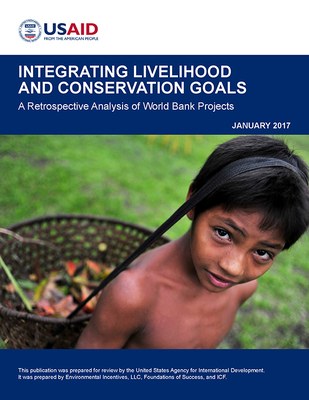
Integrating Livelihood and Conservation Goals: A Retrospective Analysis of World Bank Projects
Using a database of World Bank project evaluations, E3/FAB’s new study called “Integrating Livelihood and Conservation Goals: A Retrospective Analysis of World Bank Projects” aims to contribute to building the evidence base around the integration of biodiversity conservation and livelihood goals.
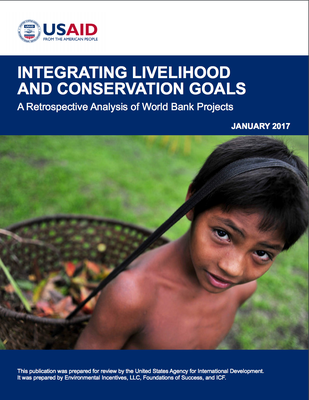
Integrating Conservation & Livelihood Goals
Using a database of World Bank project evaluations, E3/FAB’s new study called “Integrating Livelihood and Conservation Goals: A Retrospective Analysis of World Bank Projects” aims to contribute to building the evidence base around the integration of biodiversity conservation and livelihood goals.
Corruption in the commons: Why bribery hampers enforcement of environmental regulations in South African fisheries
Sundström examines how twelve small-scale fishers understand the relationship between the prevailing level of grand and petty corruption in their sector and their interest in complying with sustainable use laws.
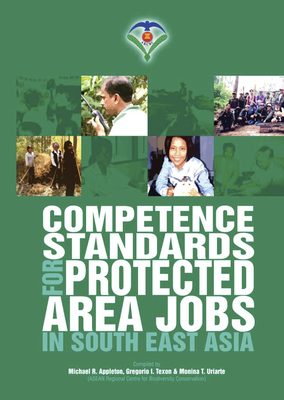
Competence Standards for Protected Area Jobs in South East Asia
This guide by the ASEAN Regional Centre for Biodiversity Conservation provides suggested competence standards for protected area jobs, including enforcement agents.
Strengthening the Weakest Links: Strategies for Improving the Enforcement of Environmental Laws Globally
This report presents a theoretical framework for enforcement as well as a deep analysis of four country case studies on their performance with enforcement of environmental laws.